










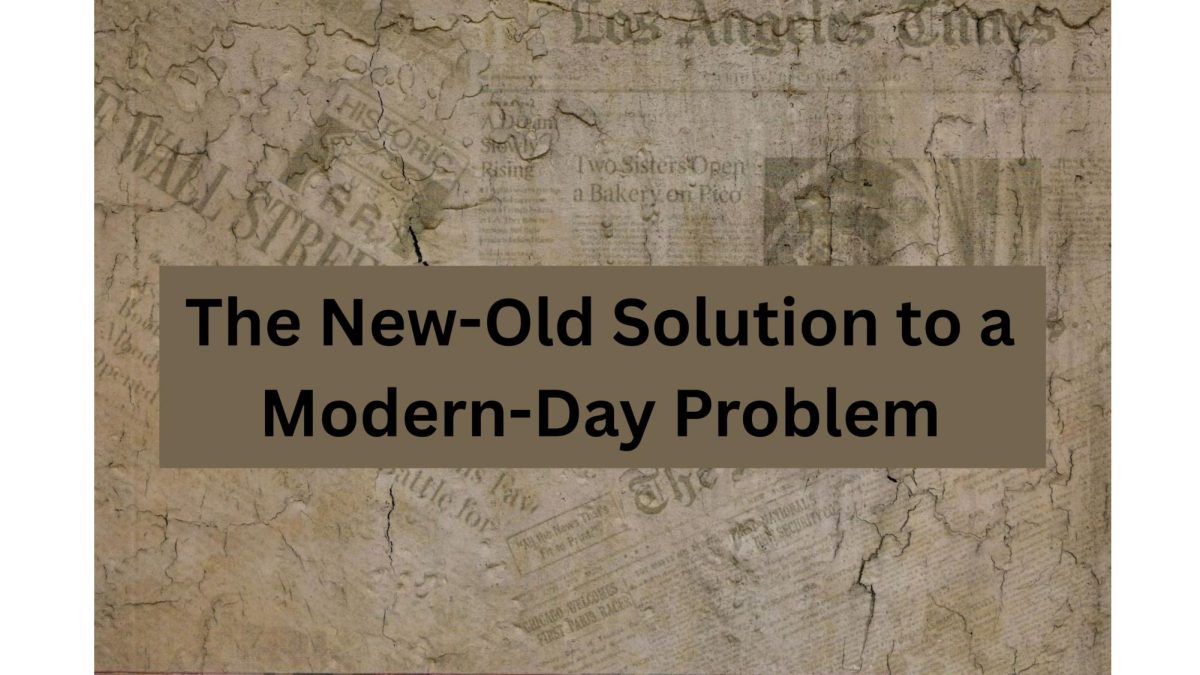





Newspapers have been around for centuries, being one of the most reliable sources for local, national and international news. Digitalization has been working on making physical news accessible for all through the internet, however, the advancement in technology has come with its own problems.
Newspapers have been disappearing. With digitalization taking over major news outlets, minor news outlets have either had to conform to society’s new change or go out of business. The United States has lost at least 1,800 papers since the early 2000s, including more than 60 dailies and 1,700 weeklies. No state has been spared the death of a newspaper, especially Texas, New York and Illinois. This affects more people than you think, as government agencies use local newspapers to help identify and contain any crises that could arise.
In regards to the internet, it, surprisingly, has not been around for as long as we think. Debuting in the mid-80’s, the internet has captured the hearts and minds of all around the globe. Despite this, it has not had the most healthy impact on people. A new problem has appeared, Digital Eye Strain, also known as DES. According to the National Library of Medicine, “Digital Eye Strain (DES) is an entity encompassing visual and ocular symptoms arising from the prolonged use of digital electronic devices.” DES is known for symptoms of dry eyes, itching, foreign body sensations, eye watering, blurry vision and headaches. It is also associated with stiff limbs, general fatigue, and bodily aches.
In the face of this intimidating problem, there is a solution! Reducing average screen time, improving lighting, and taking regular breaks from the screen are some of the most effective ways to combat DES. A new trend has been sweeping Gen Z youth recently: going chronically offline, or “touching grass.” According to CNBC, this trend is a “quiet revolution” against social media, the trend ironically going viral all across the internet.
Gen Z is known for being a very social generation, spending most – if not all – of their childhood in the early digital age. However, Gen Z are the ones leading this trend, recognizing the benefits of staying connected in the physical world and taking a break from the digital world, while leading others to do the same. Jason Dorsey, the president of the Center of Generational Kinetics, stated the “nastiness and divisiveness” online, including from leaders and politicians, is driving young people away from social media. Dorsey stated, “We’re seeing that a group of Gen Z is choosing to leave social media entirely, and probably a larger group that’s choosing just to limit social media as they regain more of what they’re trying to find: balance and security and safety in their life.”
While being known for both starting and ending trends in the past few years, Gen Z is also known for their proclivity for politics. Newspapers are a great way to combat that, providing local, national and international news, while also balancing both the need to be chronically offline and aiding DES symptoms. They also bring many benefits including decreased eye strain, an increased vocabulary, an increased awareness of current events, and helps promote media literacy and social consciousness.
Overall, newspapers are the best solution to this modern-day problem. Despite not being the most environmentally friendly, they prevent numerous issues associated with the digital world and promote skills needed to navigate this digital era.
Sites Sourced:
usnewsdeserts.com – alongside the reports from the Hussman School of Media and Journalism
nlm.nlh.gov – National Library of Medicine
cnbc.com – Gen Z trends
covnews.com – Covington News (benefits of newspapers)